.jpeg)
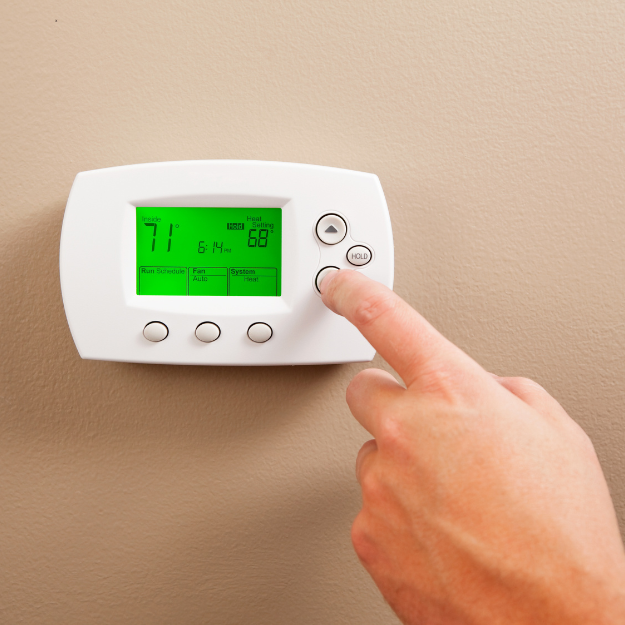
Winnipeg has a special talent for reminding us that our homes are only as comfortable as the equipment keeping them that way. Every winter, there comes a moment when you hear your furnace make a noise you swear it didn’t do last year, and you think: “Oh no… this is how it starts.” If that moment has arrived—or you’re just trying to stay ahead of disaster—you’re in the right place.
Let’s walk through how to tell if your furnace is nearing retirement, what your replacement options are, and which programs are available to help soften the financial blow.
How to Tell When Your Furnace Is Calling It Quits
A furnace doesn’t usually fail without dropping a few hints first. Some signs are subtle, like slowly rising heating bills; others are less subtle, like your furnace sounding as though it’s auditioning for a horror film. If your home is heating unevenly, the unit is short-cycling, repairs are becoming a seasonal tradition, or your furnace is 15–20 years old, it may be time to accept that its glory days are behind it.
Older units also lose efficiency, meaning you pay more for less comfort. Add in strange smells, visible rust, or a technician gently saying “I mean... you could fix it,” and you’ve entered the replacement zone.
Your Options When Replacing a Furnace
A new furnace isn’t just about heat—it’s a chance to upgrade comfort, efficiency, and long-term energy costs.
Most homeowners stay with a high-efficiency natural gas furnace, which can reach up to 98% efficiency and works reliably in Manitoba’s deep freeze. Others choose an electric route, especially air-source or ground-source heat pumps. Heat pumps can dramatically cut energy costs and also double as air conditioning. Many homeowners opt for a dual-fuel system—a heat pump that handles the majority of the heating load, with a gas furnace stepping in only during the iciest days.
Smart thermostats, zoning, and air-quality add-ons are also worth considering, especially if your current setup leaves some rooms feeling like separate ecosystems.
The Rebates, Loans, and Programs That Can Help
Fortunately, Manitobans have a unique combination of federal and provincial incentives available.
Canada Greener Homes Affordability Program (CGHAP)
This program, administered by the Government of Canada, supports low- to median-income households with no-cost energy upgrades, including insulation, air sealing, and heat pumps. In Manitoba, it’s delivered in partnership with Efficiency Manitoba, making it relatively easy to access.
Home Energy Efficiency Loan (Manitoba Hydro)
This loan allows homeowners to finance up to $12,500 in efficiency upgrades—including furnaces, heat pumps, insulation, and more. Payments are conveniently added to your Hydro bill, and participating contractors handle most of the paperwork.
Efficiency Manitoba – Income-Based Programs
For qualifying households, this program offers deeply discounted furnace upgrades (sometimes just a small monthly cost for five years) and also includes insulation upgrades and smart thermostats.
Efficiency Manitoba – General Heating Offers
For all Manitobans, there are evolving incentives for electric heat pumps, energy assessments, and other efficiency improvements. Offers change regularly, so always check before signing a contract.
Affordable Home Energy Program (MB Government)
Introduced in 2025, this initiative is intended for electrically heated homes, designed to cut annual energy costs by up to 30%. It focuses on heat pumps and efficiency upgrades.
So… Should You Repair or Replace?
If your furnace is under 10 years old and has only one obvious problem, a repair may be reasonable. But once you’re in the 15–20-year range and repairs start stacking up—or your heating bills keep creeping into the “this must be a typo” category—replacement becomes the smarter investment. A new high-efficiency system can reduce your energy use, increase your home’s value, and deliver a level of comfort you didn’t realize you were missing.
Final Thoughts (The Part Where You Daydream About Moving South)
If you’ve made it this far and you’re thinking, “Honestly, maybe I should just move somewhere that doesn’t try to kill me every February,” trust me—you’re not alone. Every Manitoban has googled average winter temperature in Vancouver at least once after hearing their furnace wheeze at 3 a.m.
But replacing your furnace is far cheaper (and far less dramatic) than relocating your entire life for the sake of warmer toes. With today’s efficient systems and all the financial supports available, upgrading your furnace is one of the most impactful improvements you can make to your home.
Thinking about upgrading, or wondering how these programs apply to your situation?
Reach out anytime—I’m here to help you understand your options, connect you with trusted local pros, and make sure you stay warm enough to resist running away to the West Coast.

Comments:
Post Your Comment: