.jpeg)
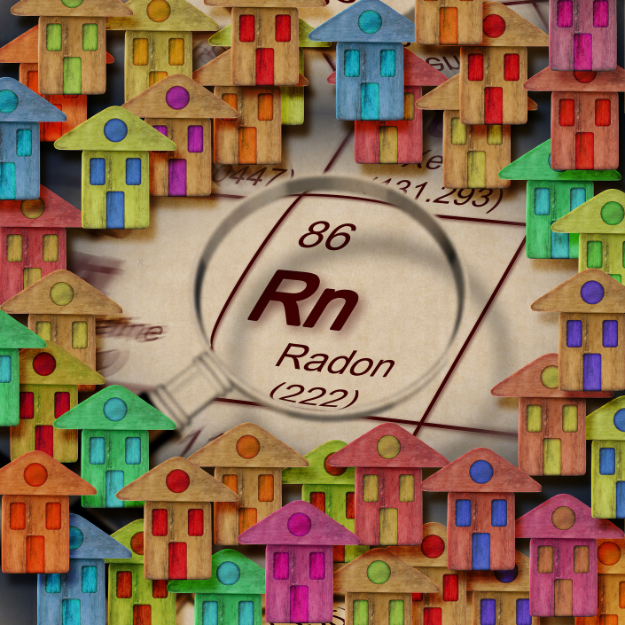
Radon isn’t exactly a dinner-party topic. It doesn’t photograph well, it doesn’t add curb appeal, and no one has ever said, “I fell in love with the radon situation.” But in Winnipeg real estate, it comes up more often than people expect — and lately, it’s coming up a lot more.
If you’re buying a home, selling one, or spending real time in a finished basement, here’s what radon is, why it matters, why it’s getting more attention, and what to do if it shows up.
What Radon Is and Why It Matters
Radon is a naturally occurring radioactive gas created when uranium in soil and rock breaks down. You can’t see it, smell it, or taste it, which makes it easy to overlook. It enters homes through small openings in the foundation, including cracks, sump pits, floor drains, and gaps around pipes or utility lines. Once inside, it can accumulate, particularly in lower levels of a home.
Long-term exposure to elevated radon levels increases the risk of lung cancer. Health Canada identifies radon as the second leading cause of lung cancer after smoking, and that risk exists whether or not anyone in the home smokes.
Why Radon Feels Like a Bigger Issue Now
Radon has always been around, but modern homes have made it harder to ignore.
Homes today are built tighter for energy efficiency, which is great for comfort and heating costs but limits natural air exchange. When a home doesn’t “breathe” as much, radon can build up instead of dispersing. In Winnipeg, finished basements are no longer an afterthought — they’re bedrooms, offices, and family rooms — which means people are spending more time in the part of the house where radon levels tend to be highest.
Awareness has also improved. Radon testing is easier to access than it used to be, so issues that once went undetected are now being identified and addressed.
Understanding Radon Testing and When to Do It
Radon testing is simple and relatively inexpensive, but not all tests provide the same level of insight.
Short-term tests typically run for a few days and offer a quick snapshot of radon levels. Because radon can fluctuate daily and seasonally, these tests are best used as an initial screening tool rather than a final answer.
Long-term tests run for 90 days or more and measure average exposure over time. This makes them more accurate and more reflective of real living conditions. For homeowners who want the clearest picture of ongoing exposure, long-term testing is generally the better choice.
Timing matters as well. Radon testing tends to be most accurate during colder months, when windows and doors are closed and the home is sealed up. In winter, radon is more likely to accumulate, providing a clearer picture of potential exposure. Testing during warmer months can still be useful, but cold-weather testing often produces more dependable results.
How to Get a Radon Test
Radon test kits are easy to find and straightforward to use. They’re available through Health Canada–recommended suppliers and online retailers, with options ranging from mail-in kits to digital monitors that provide ongoing readings.
There’s also a free option many Winnipeg homeowners don’t know about. Radon testing kits can be borrowed through the City of Winnipeg Public Library system, so you can test your home without buying a kit.
No matter where the test comes from, proper placement and following the instructions are essential. Results should be interpreted using Health Canada’s guideline of 200 becquerels per cubic metre, above which mitigation is recommended.
What Happens If Radon Levels Are High
This is usually where concern sets in, but elevated radon levels aren’t a disaster — they’re a fixable issue.
Radon mitigation systems are well established and highly effective. The most common solution vents radon gas from beneath the foundation and releases it safely outside before it enters the home. Once installed, these systems run quietly and can reduce radon levels by up to 99 percent.
In Winnipeg, mitigation typically costs a few thousand dollars, often less than many routine home upgrades. Once in place, the system becomes a permanent improvement and can be reassuring to future buyers.
Radon and Buying or Selling a Home
In real life, radon is rarely a deal-breaker. For buyers, testing simply answers a question instead of leaving it hanging. And a home with a mitigation system already in place can actually feel like a bonus, not a problem.
It’s also helpful to know that homes built since 2011 are required by building code to include radon mitigation rough-ins. In other words, many newer homes already have the groundwork done, and some have full systems installed. That doesn’t mean testing isn’t still important, but it does mean dealing with radon is usually more straightforward than people expect.
For sellers, being aware of what your home already has — or doesn’t — helps avoid surprises. When radon comes up, it’s usually just another detail to work through. What causes issues isn’t radon itself, but uncertainty.
The Bottom Line on Radon
If radon comes up while buying or selling, the focus should be on clear information and practical next steps — not panic.
If you’re wondering whether radon testing makes sense for your home, or how it could factor into a purchase or sale, I’m always happy to talk it through. No pressure, no scare tactics — just straight answers based on how homes actually trade in Winnipeg. Contact me today!

Comments:
Post Your Comment: